Loading...
Serving Garden Grove, CA and surrounding areas. (657) 722-4198
Garden Grove Concrete Company serves homeowners across Santa Ana with concrete sidewalks, driveways, patios, and foundations. We have worked on properties throughout this densely built city and understand how the clay soils and older housing stock affect every job.
Garden Grove Concrete Company serves homeowners across Santa Ana with concrete sidewalks, driveways, patios, and foundations. We have worked on properties throughout this densely built city and understand how the clay soils and older housing stock affect every job.
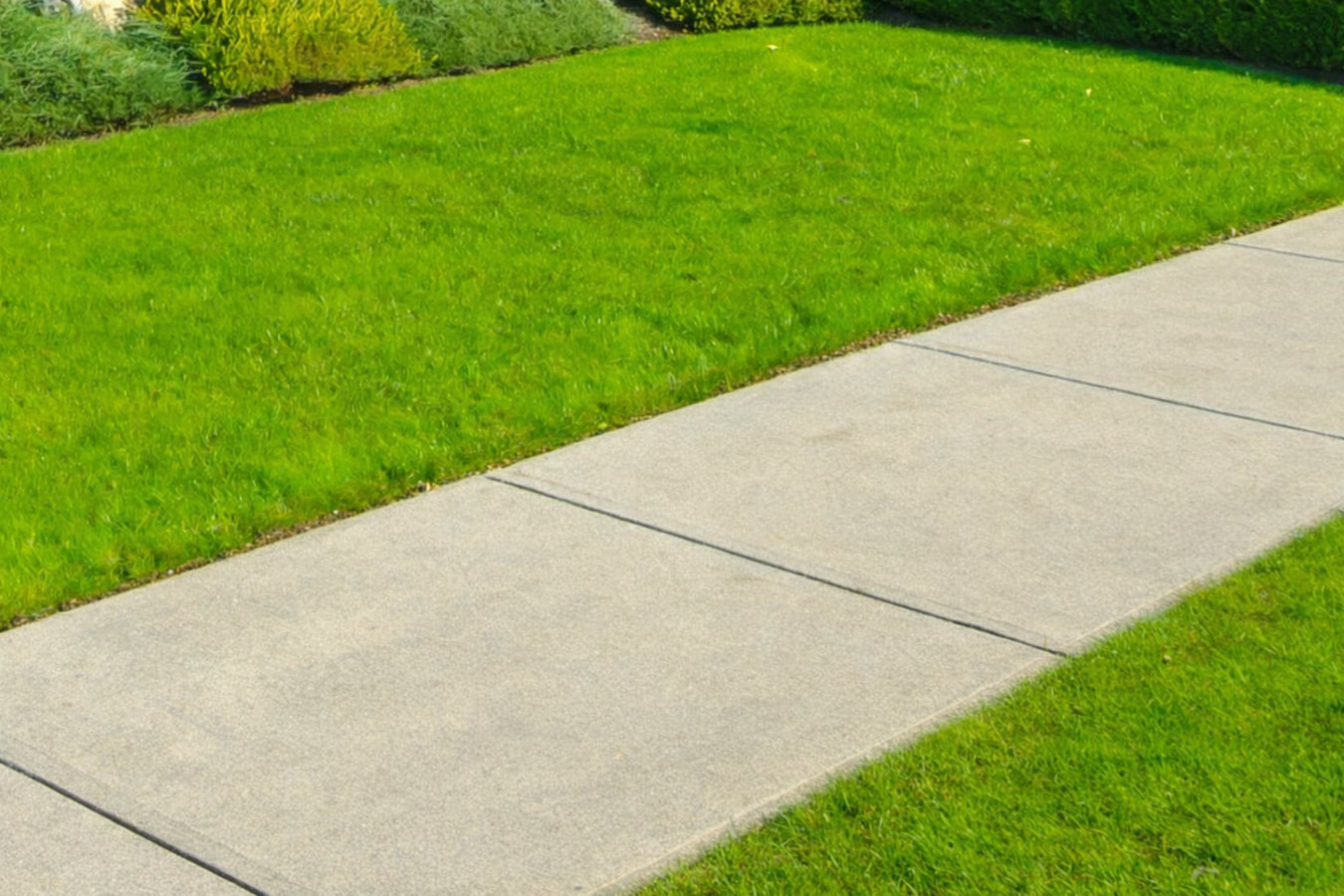
Santa Ana sidewalks take a beating from the mature trees that line residential streets throughout the city, with roots pushing up panels and creating trip hazards that accumulate over decades. We remove heaved and cracked panels, address root intrusion where possible, and install new concrete sidewalks that are properly graded, level, and up to current code.
Most Santa Ana homes were built between the 1930s and 1970s, and the original driveways on those properties have had 50 to 90 years to crack, settle, and deteriorate under the clay soils and seasonal wet-dry cycles. We replace driveways with the correct sub-base preparation and reinforcement for this specific area.
Dense neighborhoods in Santa Ana often have tight yards with grade changes between properties. Retaining walls hold the soil in place and prevent erosion during the winter rainy season, which is especially important where clay-heavy soil can become saturated and shift quickly.
Virtually all postwar homes in Santa Ana sit on concrete slab foundations, and many of the older Craftsman bungalows and Spanish Colonial Revival homes in historic districts like Floral Park have foundations that are due for assessment or repair. We pour and repair slabs with mixes suited to the local soil conditions.
Santa Ana's mild climate makes outdoor living space practical year-round, but many properties in the city have small or irregularly shaped lots that require careful planning to get a usable patio. We work with tight lot dimensions and can pour patios around existing obstacles like HVAC units and mature plantings.
Front entries and side-yard access on older Santa Ana homes often have steps that have cracked, chipped, or settled unevenly over decades. Replacing deteriorating concrete steps improves safety and restores the look of a home in neighborhoods where curb appeal and preservation matter.
Santa Ana is one of the most densely populated cities in the country, with roughly 12,000 people per square mile packed into 27 square miles of land. Most of the city's housing was built before 1970, and in older neighborhoods like Floral Park and Washington Square, homes date back to the 1920s and 1930s. That means foundations, driveways, sidewalks, and flatwork have been through 60 to 100 years of Southern California weather, clay soil movement, and root growth - all without being replaced. The result is a city full of properties where the concrete is overdue.
The underlying soils make this worse. Orange County clay soils, including those throughout Santa Ana, expand when wet and contract when dry. Every wet season pushes slabs up; every dry summer pulls the soil back. That cycle repeats year after year, and it is the primary reason driveways crack, patios heave, and foundations settle in this area. A contractor who does not account for that soil behavior during sub-base prep and pouring will produce work that fails ahead of schedule. Getting it right the first time requires knowing what is happening beneath the surface.
Our crew works throughout Santa Ana regularly, and we understand the local conditions that affect concrete work here. Santa Ana was one of the first incorporated cities in Orange County, and its oldest neighborhoods still follow the original street grid laid out in the late 1800s. That matters for concrete work because narrow lots and tight side yards on streets like French Street and Flower Street near downtown limit equipment access and require a different approach than newer, more spacious neighborhoods.
The city runs along major corridors including the 5, 55, and 22 freeways, with neighborhoods ranging from the historic district around downtown Santa Ana (DTSA) to the residential streets stretching toward the Garden Grove and Anaheim borders. We have worked on Craftsman bungalows and Spanish Colonial Revival homes in Floral Park, ranch homes along the west side, and commercial properties near MainPlace Mall on Main Street. Each part of the city presents its own access challenges and soil conditions.
We also serve Orange, CA just to the east, where similar older housing stock and clay soils create the same types of concrete work needs. Projects along the Santa Ana and Orange border are common for our team.
Reach out by phone or through our contact form with a description of what you need. We respond within 1 business day and schedule a site visit typically within the same week.
We visit your Santa Ana property, assess the scope of the work, check site access, and look at the soil and drainage situation. You receive a written estimate with no obligation - no surprises on cost once work begins.
We handle permitting where required through the City of Santa Ana, remove old concrete, prep the sub-base, and pour on a scheduled date. You do not need to be home for most of the work, though we always prefer a walkthrough before we start.
After the pour, we clean up the site and walk you through curing timelines - typically 24 to 48 hours before foot traffic and 7 days before vehicle use. We stay available to answer any follow-up questions.
We serve all of Santa Ana, CA. Free estimates, no obligation, and we respond within 1 business day.
(657) 722-4198Santa Ana is the county seat of Orange County and one of the oldest incorporated cities in Southern California, dating back to 1886. With roughly 310,000 residents packed into 27 square miles, it is one of the most densely populated cities in the United States. The city has a wide range of neighborhoods - from the historic Floral Park district, with its well-preserved Craftsman bungalows and Spanish Colonial Revival homes from the 1920s and 1930s, to denser mid-century residential streets throughout the west and south sides. The Bowers Museum on North Main Street has anchored the city's cultural identity since 1936, and the downtown arts district (DTSA) has a mix of historic brick buildings, galleries, and restaurants that draw visitors from across the region.
Residential properties in Santa Ana range from single-family homes on small lots to multi-family buildings mixed throughout residential blocks - a pattern that reflects the city's density and long history as a working community. Many streets still follow the original grid from over a century ago. Properties closer to the Westminster, CA border on the west side tend to be postwar ranch homes, while neighborhoods near the Anaheim and Orange borders include a mix of housing ages and styles. Whatever the property type, the concrete needs in this city are consistent: old flatwork, root-damaged sidewalks, and foundations that have been through decades of soil movement.
Get a durable, professionally poured concrete driveway built to last.
Learn MoreSafe, level concrete sidewalks installed to code for any property.
Learn MoreSolid concrete retaining walls that control erosion and add structure.
Learn MorePrecision concrete floor installation for residential and commercial spaces.
Learn MoreSafe, well-formed concrete steps built for curb appeal and function.
Learn MoreProperly engineered concrete slab foundations for new construction.
Learn MoreReliable foundation installation services for homes and structures.
Learn MoreCommercial-grade concrete parking lots designed for heavy traffic.
Learn MoreCall us today or submit a request online - we serve all of Santa Ana and respond within 1 business day.