Loading...
Serving Garden Grove, CA and surrounding areas. (657) 722-4198
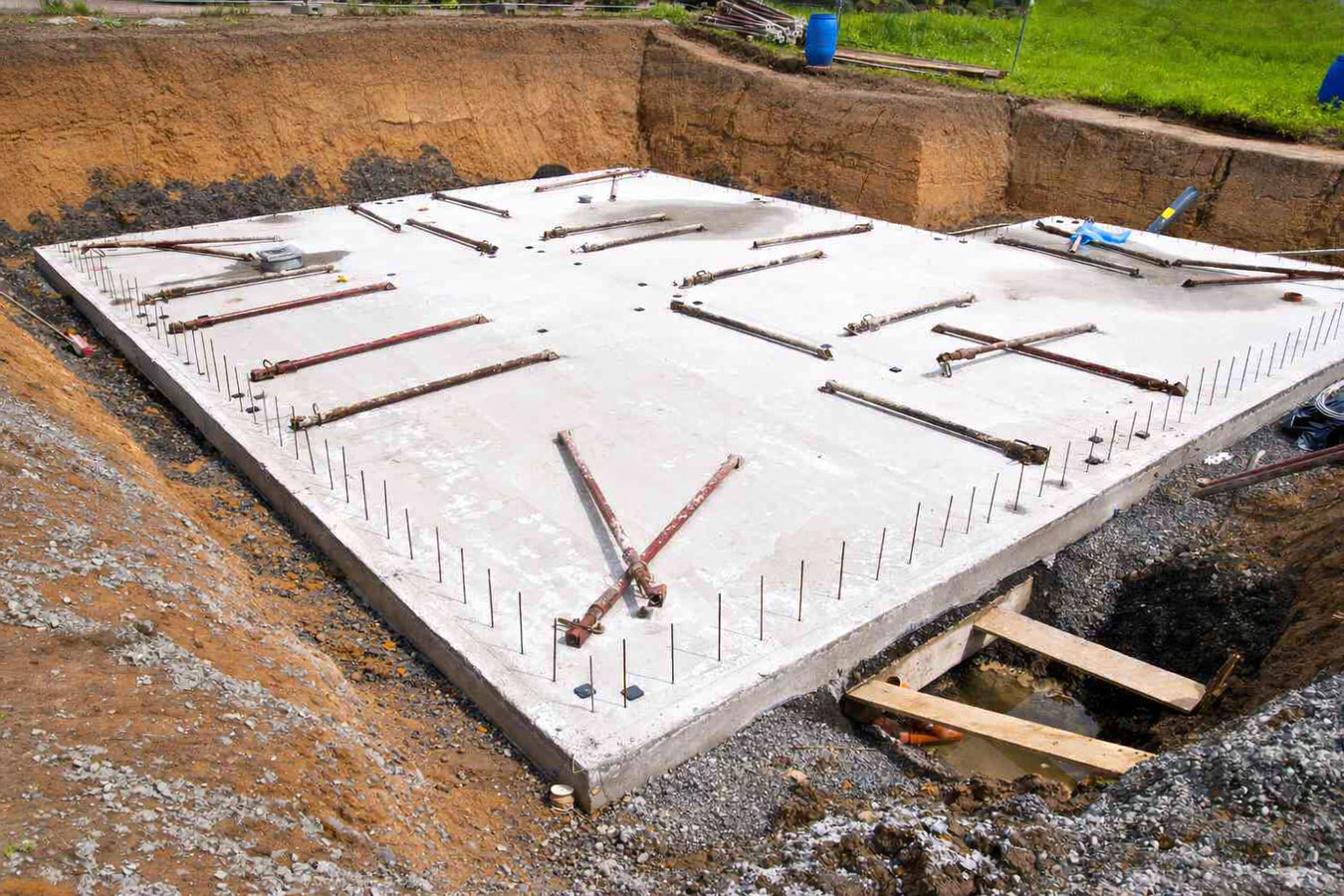
Everything you build above ground depends on the footings below it. We pour code-compliant concrete footings for additions, decks, walls, and detached structures - designed for Garden Grove soil conditions and California seismic requirements.
Concrete footings in Garden Grove are the underground concrete base that holds up any structure above - a room addition, a deck, a retaining wall, or a detached garage - and most residential footing projects involve one to two days of active work for the digging, forming, and pour, with full structural strength developing over the following weeks.
In Garden Grove, where homes were largely built between the 1950s and 1970s on clay-heavy soils and in a seismically active part of California, footings need to be sized and reinforced for conditions that are specific to this area. A footing that would be adequate in a sandier, lower-risk region is not necessarily the right design here - and a contractor who does not ask about your soil conditions or seismic zone is not giving you an accurate quote.
For larger structural projects, footing work is often part of a broader foundation scope. We coordinate concrete footing pours with our foundation installation service when the project calls for it, so both elements are built as a single system.
Any time you add a structure in Garden Grove that will carry weight - a room addition, a covered patio, a detached garage, or an accessory dwelling unit - new footings are required by city code. This is not optional and is part of the permit process. If a contractor quotes you on an addition without mentioning footings, ask why before you sign anything.
Diagonal cracks spreading from the corners of doorframes or windows often mean the footings beneath that section of the house have shifted. In Garden Grove, where clay soils expand and contract with seasonal moisture changes, this kind of movement is more common than homeowners expect. It does not always mean a crisis, but it does mean a structural look is warranted sooner rather than later.
When footings shift, the frame of the house can rack slightly out of square - and the first place you will notice it is doors and windows that suddenly stick, drag, or will not latch. If this is happening in multiple spots around the house, especially after a wet winter or a dry summer, it is worth having someone look at what is happening below grade.
Retaining walls that start to lean forward or show cracks at the base are telling you the footing underneath is no longer doing its job. Garden Grove's clay soils hold water after rain, which adds significant pressure behind a wall. If your retaining wall looks like it is moving, do not wait - a leaning wall can fail quickly once it starts going.
We pour concrete footings for residential and small commercial projects throughout Garden Grove and the surrounding Orange County area. Every project starts with a site visit to assess soil conditions and access, followed by a written quote that breaks out labor, materials, and permit fees separately. We pull the building permit with the City of Garden Grove Building and Safety Division, schedule the required pre-pour inspection, and dig to the correct depth for the specific soil and structural load on your lot - not a one-size-fits-all number. Steel reinforcing bar is placed inside the forms to meet California seismic requirements before any concrete is ordered.
For projects that involve both footings and a larger poured concrete base, we coordinate footing work with our foundation raising service and our foundation installation work so all structural elements below grade are built together as a single system - not in separate pours that create weak points at the joints.
Best for homeowners adding a room, a covered patio, or a detached structure that requires a new foundation footprint alongside or adjacent to the existing home.
Right for homeowners building a raised deck, pergola, or outdoor structure that needs point load footings to carry the weight and meet city code.
Suited to property owners building or replacing a retaining wall, where the footing must be sized to handle soil pressure and the seasonal water load common in Garden Grove's clay-heavy areas.
For homeowners building a detached garage, workshop, or accessory dwelling unit on their Garden Grove property, where a new footing system must be permitted and inspected before framing begins.
Garden Grove sits in a part of Orange County with two conditions that make footing work more specific than in many other places. First, much of the soil here contains expansive clay that swells when wet and shrinks as it dries out - a cycle that repeats every year and puts stress on any concrete sitting in or on that ground. Second, Garden Grove falls within a high seismic hazard area in California, which means state building code requires footings to be reinforced and connected in ways that account for earthquake forces. The California Geological Survey maps Garden Grove within a designated seismic hazard zone, and contractors working here are expected to know what that means for footing design.
A large share of Garden Grove's homes were built in the 1950s through 1970s, and many have had additions or improvements made over the decades - not all of them permitted or built to current standards. We work with homeowners throughout Garden Grove and in nearby communities including Orange and Fullerton on footing projects for homes in this same era, and discovering that an older addition has footings that do not meet current code is something we see often. We flag it early, explain the options, and do not let it become a surprise mid-project. The American Concrete Institute standards shape our approach to mix ratios, reinforcement placement, and curing on every footing pour.
We come to your property to look at the area where digging will happen, check for obstacles like tree roots or utilities, and assess the soil. You receive a written quote breaking out labor, materials, and permit fees - usually within one business day of the site visit.
We handle the permit application with Garden Grove's Building and Safety Division before any digging starts. Approval typically takes a few days to a couple of weeks depending on project type. We keep you updated throughout so you are not left wondering where things stand.
The crew digs to the required depth and sets up the wooden forms. Steel reinforcing bars go inside the forms before any concrete is poured - and a city inspector must verify the excavation depth and steel placement before the pour is scheduled. This inspection step is required and cannot be rushed.
Concrete is poured and finished. Forms come off within a day or two, and the concrete continues gaining strength over the following weeks - your contractor will tell you when it is safe to begin building on top. A final city inspection closes out the permit and gives you written documentation that the work passed.
We handle the permit, schedule the inspections, and give you a clear timeline before we dig. No guesswork - just the right footings for your lot and your project.
(657) 722-4198We submit the permit application, coordinate with Garden Grove's Building and Safety Division, and schedule all required inspections - including the pre-pour inspection that must happen before concrete is placed. You do not have to track down paperwork or follow up with the city yourself.
Garden Grove is in a high seismic hazard zone, and California's building code requires footings to handle earthquake forces - which means more steel reinforcement and specific connection hardware than you would see in a lower-risk state. We do not treat this as optional, because it is not.
The clay-heavy soils common in Garden Grove require footings to reach stable ground below the active zone near the surface - and the exact depth varies by lot. We assess soil conditions on every site visit rather than using a flat number. The Portland Cement Association guidelines inform our approach to footing depth and concrete mix on local projects.
Footing projects in Garden Grove always include permit fees, and those fees vary by project type. We break them out separately in every quote so you know exactly what you are paying for labor, materials, and city fees - and can compare our bid against others on the same basis.
We handle footing projects for homeowners planning additions, replacing failed retaining walls, and building new detached structures - and we approach each one the same way: assess the site, pull the permit, build it to code, and hand you the documentation when it is done.
When an existing foundation has settled or sunk, foundation raising lifts and re-levels the structure above the footings.
Learn MoreFull foundation installation for new construction or replacement projects that go beyond individual footing pours.
Learn MoreSpring building season books up fast - the sooner we assess your lot and pull the permit, the sooner your project can break ground on schedule.