Loading...
Serving Garden Grove, CA and surrounding areas. (657) 722-4198
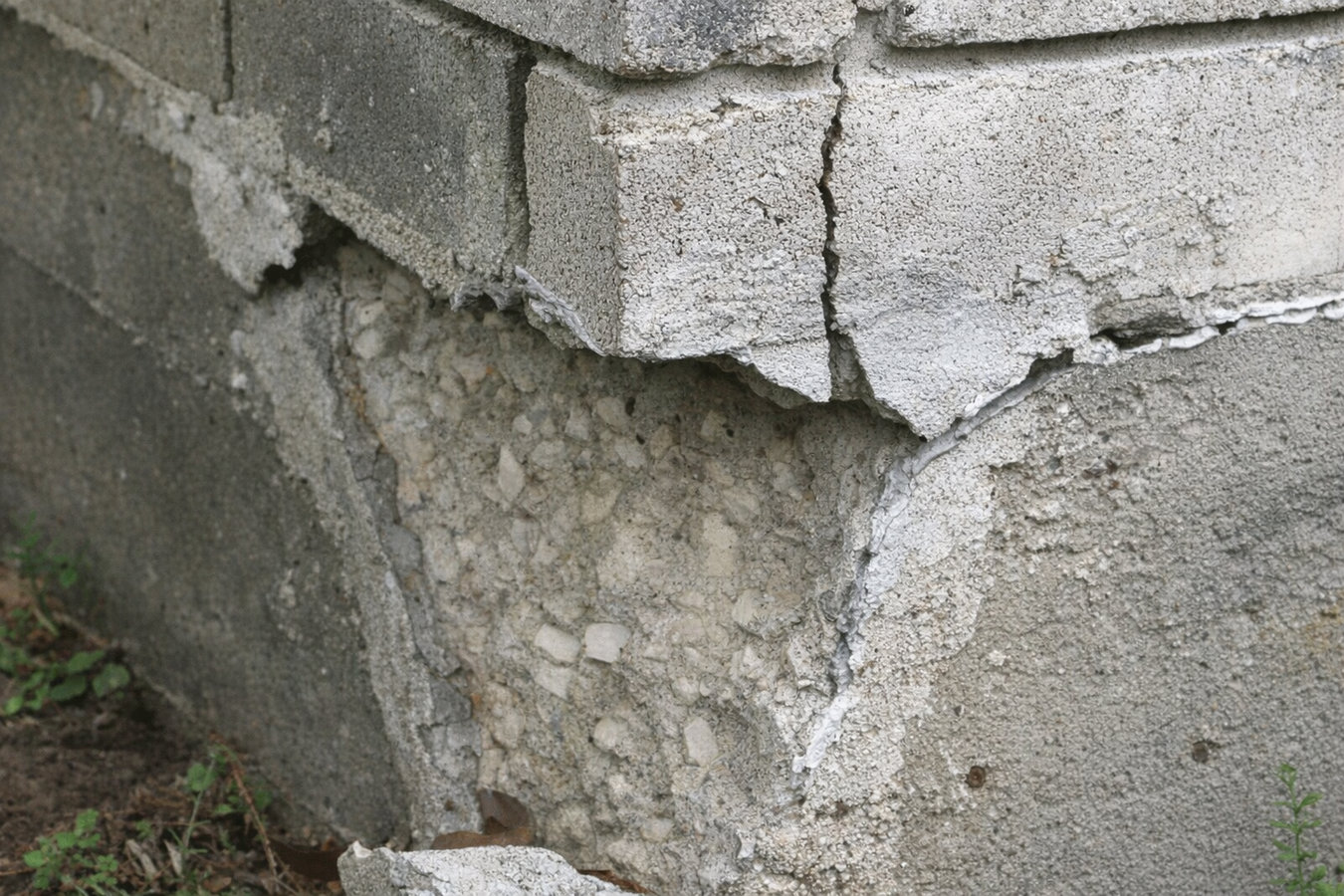
A sunken or uneven slab does not always mean a full replacement. We lift concrete back to level using foam injection or mudjacking - less disruption, lower cost, and done in a single day on most jobs.
Foundation raising in Garden Grove is the process of pumping material beneath a sunken concrete slab to fill the void underneath and push the concrete back to level - most residential jobs take between two and eight hours and you can walk on the surface the same day.
Homeowners in Garden Grove call us when a driveway, patio, walkway, or garage floor has dropped on one side and created a noticeable lip or low spot. The concrete itself is often still in good shape - it just needs to be lifted. This is especially common here because much of Garden Grove sits on clay-heavy soils that swell and shrink with every wet and dry season, gradually creating voids beneath slabs. If your slab is badly cracked or crumbling, our slab foundation building service may be a better fit.
Getting a written estimate before any work begins is standard practice. We walk the area with you, check the levelness, and explain exactly what we plan to do and why before anyone picks up a drill.
If you feel a bump or drop when you walk from one part of your driveway or patio to another, one section has likely sunk relative to the other. This kind of uneven joint is one of the clearest signs the soil beneath has shifted. In Garden Grove, it often shows up after a wet winter when clay soil has swelled and then dried unevenly.
When the slab your home sits on moves, the frame of the house can shift with it. Doors that used to swing freely but now stick, or gaps forming at the tops of door frames, can mean the foundation has moved. This is especially worth noticing in Garden Grove older ranch-style homes, where the original slab was often poured directly on uncompacted fill.
Small hairline cracks are common in any concrete, but diagonal cracks near corners often signal that one section is sinking faster than another. If you press on the concrete near a crack and it feels hollow underneath, the soil has likely pulled away from the slab and a void has formed.
If water collects in a spot on your driveway or patio that it did not before, the surface has settled unevenly. Standing water accelerates the soil erosion that caused the sinking. In Garden Grove, where winter rains can be intense, a low spot that collects water will usually get worse each season if left alone.
We lift residential concrete slabs throughout Garden Grove using two main methods: polyurethane foam injection and traditional mudjacking. Foam injection uses smaller drill holes and cures in about 15 minutes, making it well suited to jobs where you need to walk on the surface quickly or where access to the work area is tight. Mudjacking uses a cement-and-soil slurry and is often less expensive upfront, though it takes longer to cure. We explain both options and let you decide what fits your situation and budget. After the lift is complete, drill holes are patched and the surface is cleaned before we leave.
When a slab has settled so far that raising it would put too much stress on older, more brittle concrete, we will tell you honestly that a full concrete replacement makes more sense. In that case, our concrete cutting team can remove the affected section cleanly before a new pour goes in, and our slab foundation building crew handles the new concrete. You get a clear recommendation upfront, not a discovery after we have already started.
Best for homeowners who need a fast turnaround, have tight access, or want the smallest possible drill holes in the finished surface.
Right for homeowners looking for a lower upfront cost on a larger sunken area where same-day use is not a priority.
Suited to homes where the driveway or garage slab has tilted, often a common finding in Garden Grove homes built in the 1950s and 1960s.
For outdoor concrete surfaces that have settled unevenly, creating trip hazards or low spots that collect water near the home.
Garden Grove sits on alluvial soils with significant clay content. Clay swells when it absorbs water and shrinks when it dries out. Over years of wet winters and long, dry summers, that repeated movement gradually pulls soil away from the underside of concrete slabs - creating the voids that cause settling. A large share of Garden Grove homes were also built between the 1950s and 1960s on minimally prepared soil, so the original compaction has often degraded significantly over the decades. Southern California seismic activity adds to the picture - frequent small earthquakes gradually loosen the soil beneath slabs even when no single event causes visible damage. Homeowners in Westminster and Anaheim face the same conditions, as the same soil and housing stock patterns extend throughout this part of Orange County.
Garden Grove timing also matters. Late spring - after the winter rains have passed and the soil has had a chance to settle - tends to give lifting material the best conditions to set properly. If you wait until fall, you risk going into the rainy season with a sunken slab that will collect water and erode further with each storm. The USGS land subsidence program documents how soil movement affects concrete structures across Southern California - the pattern here is well established, not unusual.
We will ask where the problem is, how long you have noticed it, and roughly how large the area is. Most Garden Grove homeowners hear back within one business day, and an on-site visit is usually scheduled within a few days.
We walk the area with you and use a level tool to measure exactly how much the concrete has dropped. We check the soil, drainage, and any cracks. You receive a written estimate spelling out the method, the area to be covered, and the total cost - no surprises.
We confirm whether your specific job requires a permit from the City of Garden Grove and handle that paperwork on your behalf if one is needed. You do not need to deal with the building department yourself.
The crew drills small holes, pumps in the lifting material, and monitors the slab as it rises to level. Holes are patched and the surface is cleaned. We tell you exactly when it is safe to walk on it and when to drive on it - not a vague estimate, a specific timeline.
Free estimate, written quote, no obligation. We respond to Garden Grove homeowners within one business day.
(657) 722-4198Not every lifting method works equally well on the clay-heavy soils common across Garden Grove and Orange County. We assess your soil type before recommending foam injection or mudjacking - because the wrong method in the wrong soil can lead to the same problem repeating in a year or two.
Many Garden Grove slabs have been through 60 or more years of California heat, dry spells, and minor earthquakes. Lifting older concrete requires a measured pace - too much pressure too fast can crack a slab that is still repairable. We adjust lift speed based on the age and condition of your specific concrete.
Any foundation raising job that requires a permit in Garden Grove gets pulled, inspected, and documented - not skipped to save time. That record protects you if you refinance, sell, or need to make an insurance claim. The California Contractors State License Board requires every contractor performing this work to carry active licensing and insurance.
If your slab is crumbling or cracked beyond what raising can fix, we will tell you before work begins - not after we have already drilled holes. Getting you the right outcome matters more than completing any single job. A written explanation of what we see is part of every estimate.
These are not talking points - they reflect how we actually approach every foundation raising job in Garden Grove. Homeowners who have called us know that the estimate they get is the price they pay, and the method we recommend is the one that fits their specific slab and soil.
When a slab is too damaged to raise, we cut it out cleanly so a fresh pour can go in without disturbing the concrete around it.
Learn MoreFor properties that need a full concrete slab poured from scratch - new builds, additions, or full replacements where raising is not viable.
Learn MoreEvery winter that passes with a sunken slab means more soil erosion and a harder fix - call today for a free, no-pressure estimate.