Loading...
Serving Garden Grove, CA and surrounding areas. (657) 722-4198
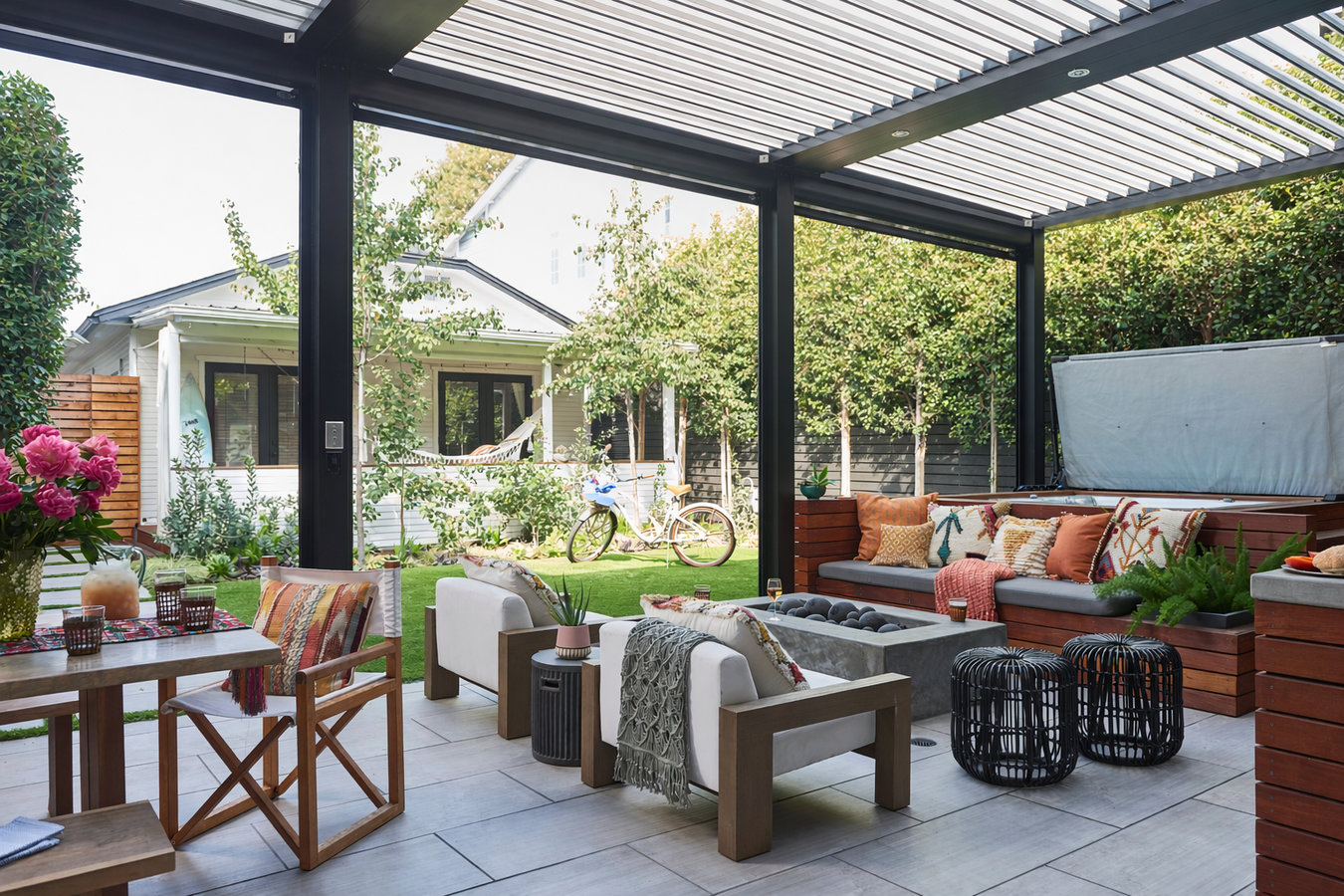
Garden Grove gets close to 280 sunny days a year. A poured concrete patio gives you a level, durable outdoor surface to actually use them - built with the right base, the right slope, and a permit from the city.
Concrete patio construction in Garden Grove means digging out the area, adding a compacted gravel base for drainage, setting forms to shape the edges, then pouring and finishing the slab - most residential patios take one to two days to pour, then need about a week before light use and a full 28 days before placing heavy outdoor furniture.
A large share of Garden Grove homes were built between the 1950s and 1970s, so many existing patios in this city are decades old and were poured thinner than current standards. If your patio is cracking across the surface, collecting standing water, or flaking apart at the edges, you are likely past the point where patching will help. A full replacement gives you a clean slate built to hold up through Southern California's heat, occasional heavy rain, and the clay-heavy soil conditions that cause older slabs to shift.
If you want a patio with a custom look, we also offer stamped concrete services that can give your outdoor space the appearance of stone or brick without the ongoing maintenance.
If you can feel a lip or step when you walk across your patio, or if sections have tilted in different directions, the slab has moved beyond cosmetic damage. This kind of movement often means the base underneath has shifted - common in older Garden Grove homes where the original slab was poured without proper soil preparation. Patching the surface won't fix the underlying problem.
After rain or when you run the hose, watch where the water goes. If it sits in puddles or flows toward your foundation rather than away from it, the patio has either settled unevenly or was never graded correctly. In Garden Grove's dry climate this may not seem urgent, but when a heavy rain does arrive, water draining toward your house can cause real foundation damage.
Surface flaking - where the top layer of concrete peels away in thin chips - means the original pour was either too thin, mixed incorrectly, or finished too quickly. Once this process starts, it tends to accelerate. A patio in this condition is harder to clean and can become a tripping hazard as the surface deteriorates further.
Many Garden Grove homes from the 1950s and 60s were built with minimal or no patio - just a grass yard or bare dirt. If you are spending Garden Grove's near-perfect weather indoors because there is nowhere comfortable to sit outside, a concrete patio is one of the most cost-effective ways to create that space and add value to your property.
Every patio project we take on starts with a proper site assessment - we check the grade of your yard, look at soil conditions, and confirm how the patio will need to slope so water drains away from your foundation. From there, we handle the permit application, dig out the area, compact the subgrade, set the gravel base, pour, and finish. If you are interested in a decorative finish, we work in stamped patterns, exposed aggregate, and colored concrete. For homeowners who also want a poolside surface, concrete pool decks are a natural complement to a new patio.
We cut control joints into every slab we pour. These shallow lines guide any future cracking to happen in straight, predictable lines rather than randomly across the surface - it is one of the details that separates a patio that looks good at 20 years from one that starts cracking at five.
A clean, slip-resistant surface that works with any home style and holds up through years of outdoor use.
For homeowners who want the look of stone, brick, or tile without the ongoing maintenance real pavers require.
A textured surface with small pebbles visible through the top - naturally slip-resistant and visually distinctive.
Integral pigment or surface color lets you match your home's exterior or HOA color guidelines.
For yards that currently have no patio at all - we shape and pour from scratch to fit your space and budget.
The right choice when the existing slab has shifted, is flaking, or was never built to current standards.
Garden Grove sits in Orange County with a dry, mild climate that is ideal for outdoor living - but it also means summer temperatures regularly climb into the 90s. Concrete poured in that heat can lose moisture from the surface too quickly, leaving you with cracking that appears before the slab ever fully hardens. We schedule summer pours for early morning, use curing compounds, and monitor the slab in the first few days. Homeowners across Garden Grove deal with this risk any time they hire a contractor who does not work locally and does not plan around Southern California's heat.
The other factor that shapes every patio project in this city is the soil. Parts of Garden Grove and the nearby Westminster area have clay-heavy soil that expands when wet and shrinks when dry. Original patios in homes built in the 1950s and 60s were often poured directly on poorly prepared ground with no gravel base - which is why so many of them have heaved, cracked, or settled unevenly over the decades. We account for these soil conditions in the base prep on every job. The American Concrete Institute and the American Society of Concrete Contractors both identify proper subgrade preparation as the foundation of long-lasting flatwork.
We come to your yard in person before giving you a price. We measure the area, check the grade and ground conditions, and ask about your design preferences. You get a written estimate that breaks down what is included - not just a single number.
Once you approve the estimate, we apply for the required Garden Grove building permit. This typically takes a few business days to a couple of weeks. We handle all the paperwork - you respond within 1 business day of any questions from the city. The job is scheduled once the permit is approved.
The crew digs out the patio area, removes any existing concrete or debris, and compacts the soil. A gravel base layer is laid and forms are set to define the shape. This prep work is what keeps the slab level and crack-free for decades - it is the most important part of the job.
Concrete is poured and finished - brushed, stamped, or colored per your choice. Control joints are cut before the slab hardens. You can walk on it lightly after 24 to 48 hours, but furniture and heavy items stay off for at least a week. A city inspector signs off before the permit is closed.
We respond within 1 business day. No obligation after the estimate. Someone from our team will contact you to schedule a free on-site visit, measure your space, and give you a written price before any work begins.
(657) 722-4198Garden Grove requires a building permit for most concrete patios, and we manage that process from application through final sign-off. You do not have to call the city or figure out the inspection process. A closed permit means documented proof the work was done right - which matters when you sell your home.
Every patio we build is graded so water drains away from your house, not toward it. In Garden Grove's dry climate the occasional heavy rain can do real damage to a foundation if the patio was poured flat or backward. We check the grade before and after the pour to make sure it is right.
We price demolition of old slabs, permit fees, and site cleanup into the estimate upfront - not as add-ons once work has started. The number you approve is the number on the final invoice. If something unexpected comes up during site prep, we tell you before we do anything different.
Garden Grove's clay-heavy soil expands and contracts with each wet and dry season. We compact the subgrade and size the gravel base layer for local soil conditions - not a generic spec. Original patios in 1950s and 60s Garden Grove homes often had no gravel base at all, which is why they have heaved and cracked over the decades.
A concrete patio is a long-term investment in your property, and the details that make it last - proper base prep, correct slope, active curing in the heat - are the same details that are easy to skip. We do not skip them, and any reputable concrete patio contractor should be able to say the same.
Add the look of stone, slate, or brick to your patio or driveway with stamped patterns pressed into the concrete before it hardens.
Learn MoreA poured concrete pool deck pairs naturally with a new patio - built to handle water, sun, and foot traffic around your pool.
Learn MoreSpring and fall fill up fast - call now for a free estimate and lock in your project date before the schedule closes.