Concrete Slab & Foundation Work
Get a solid concrete slab or foundation built with the right prep, the right mix, and the attention to detail that structural work demands.
Why the Foundation Under Your Building Matters
Everything you build sits on the slab or foundation beneath it. A garage, a shed, an ADU, a workshop, or a home addition all rely on that concrete base to stay level, stable, and structurally sound for decades. If the base shifts, settles, or cracks, everything above it is affected.
We handle concrete slab and foundation work for homeowners and small commercial clients throughout Garden Grove and Orange County. From a simple equipment pad to a full monolithic slab for a new accessory dwelling unit, we have the experience to get it done right. This kind of work is not the place to cut corners, and we do not.
If you are exploring other concrete projects at the same time, visit our home page to see everything we offer under one roof. Many of our slab jobs are paired with a new concrete driveway installation when a garage or structure is being added to a property.
Types of Slab and Foundation Projects We Handle
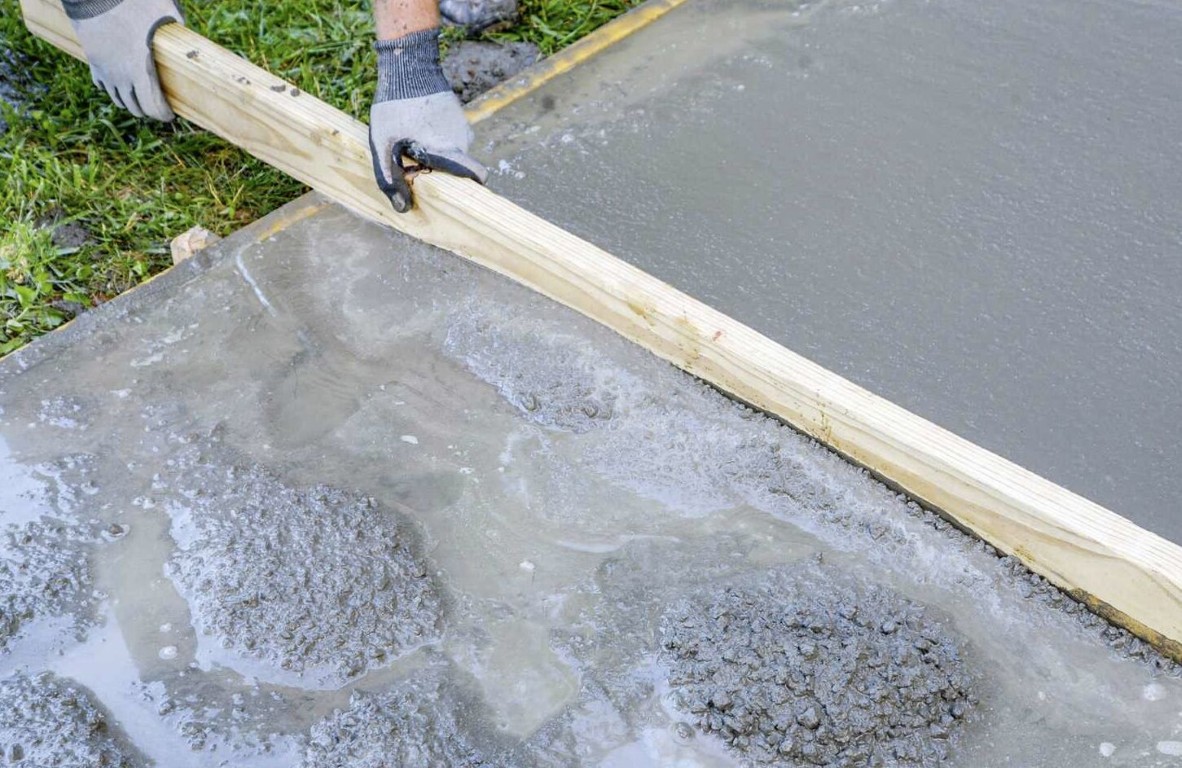
Not all slab work is the same. The right approach depends on the load the structure will carry, the soil underneath, and local code requirements. Here is a look at the most common types of slab and foundation projects we complete.
- Monolithic slabs. The slab and footings are poured as one continuous piece. This is a common choice for garages, sheds, and small additions because it is efficient and very strong when built correctly.
- Stem wall foundations. Footings are poured first, then a stem wall is built on top, and finally the slab is poured inside. This type is used when a raised floor is required or when the structure needs deeper footings for stability.
- Equipment and utility pads. HVAC units, generators, transformers, and other equipment need a level, stable pad. We pour these to the manufacturer specs and the relevant code requirements.
- ADU and addition foundations. Accessory dwelling units are common in Orange County, and a properly engineered foundation is a requirement. We work from your approved plans and make sure the foundation meets all local building code requirements.
- Garage floors and shop slabs. A garage or workshop floor takes heavy loads, vehicle traffic, and point loads from jacks and lifts. We pour these at the right thickness with the right reinforcement so they hold up to that kind of use.
What Goes Into Getting a Slab Right
A concrete slab looks simple from the outside. You dig, you pour, you wait. But the steps between digging and pouring are where most problems start if they are not handled carefully.
Soil compaction. Before any concrete is placed, the subgrade needs to be compacted to a uniform density. Soft spots cause settling. We check for and address them before the forms ever go in.
Vapor barrier. For interior slabs, we install a plastic vapor barrier between the soil and the concrete. This keeps ground moisture from wicking up through the slab, which matters a lot for buildings where you plan to store items, work, or finish the floor later.
Rebar placement and spacing. Reinforcement is not optional on structural work. We install rebar to the correct spacing and support it at the right height within the slab so the steel is actually doing what it is supposed to do.
Mix design. Structural slabs require a higher strength mix than a typical sidewalk or patio. We order the right PSI rating for the application and do not substitute a cheaper mix to save a few dollars on the truck.
Curing and protection. After the pour, we protect the slab during the curing period. For structural foundations, this step is especially important because the final strength of the concrete depends on how well it cures. We do not uncover and walk away before the job is actually done.
Permits and Local Requirements in Garden Grove
Most foundation and structural slab work in Garden Grove requires a permit from the city before construction begins. This is not something to skip. A slab poured without a permit can create serious problems when you try to sell your home, rent an ADU, or make future improvements to the structure above it.
We are familiar with the Garden Grove Building and Safety Division and the typical inspection requirements for slab work in this area. We can advise you on what to expect during the permit process and what inspections are typically required.
If your existing slab is cracked, settling, or showing signs of structural issues, you may not need a full replacement. Check out our concrete repair and replacement page to learn about your options before committing to a tear-out.
Common Questions About Slab and Foundation Work
How thick does a concrete slab need to be for a garage?+
Do I need engineered plans for a concrete slab foundation?+
How long after the slab is poured before we can start framing?+
Need a Slab or Foundation Poured in Garden Grove?
Call us today for a free site visit and written estimate. We handle the whole process from prep through pour and will make sure your foundation is built to code and built to last.
(657) 722-4198