Stamped & Decorative Concrete
Get the look of stone, brick, or tile without the price tag by choosing stamped and decorative concrete for your next outdoor project.
Beautiful Concrete That Does Not Cost Like Natural Stone
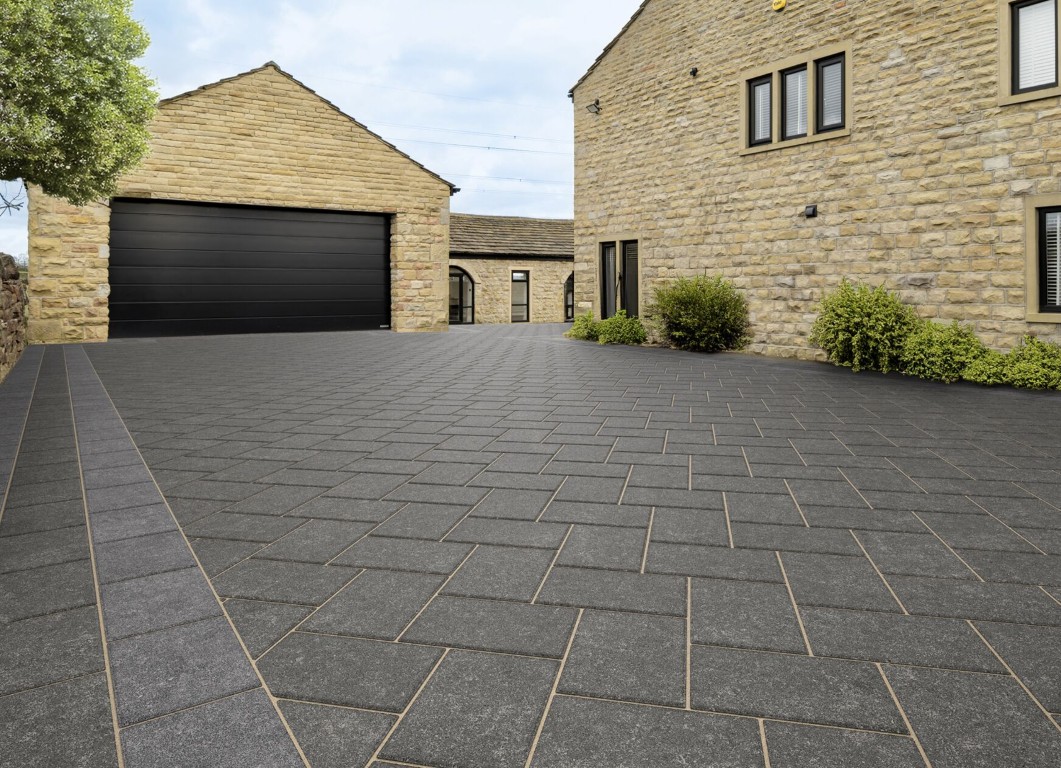
Stamped concrete is one of the most popular upgrades homeowners make to their driveways, patios, and walkways in Garden Grove. It gives you a surface that looks like hand-laid flagstone, brick, slate, or even wood planks at a fraction of the cost of those materials. And unlike natural stone or pavers, there are no shifting joints, no weeds growing between pieces, and no individual units to replace.
Decorative concrete is a broad category that includes stamping, staining, dyeing, polishing, and exposed aggregate. Each technique gives the concrete a distinct look and feel. We work with you to choose the right finish for your space, your style, and your budget.
Whether you want to upgrade your concrete patio with a stamped pattern or give your driveway a more polished look, we can help you design something that fits your home. You can also explore all of our services on the Garden Grove Concrete Contractor home page.
Decorative Concrete Options We Offer
Here is a breakdown of the most common decorative concrete techniques we use and what each one looks like in practice.
- Stamped concrete. A rubber stamp pattern is pressed into the concrete while it is still workable. The result mimics the look of natural stone, brick, flagstone, cobblestone, or other materials. Patterns can be combined with a color release agent for added depth and realism.
- Integral color. Color pigment is blended directly into the concrete mix before the pour. The color runs all the way through the slab, so chips or scratches on the surface do not expose a gray core. It is the most durable way to add color to concrete.
- Acid staining. A diluted acid solution reacts chemically with the minerals in cured concrete to produce earthy, translucent tones. No two acid-stained slabs look exactly alike. The result is a natural, marbled appearance that is popular for interior floors and covered patios.
- Water-based concrete dye. Dyes penetrate the surface and produce a more consistent, vibrant color than acid stains. They are available in a wide range of tones including blues, reds, greens, and earth tones. Dyes require a sealer to protect the color from UV exposure and foot traffic.
- Exposed aggregate. The top layer of concrete paste is removed while the mix is still green to reveal the stone aggregate below. The result is a textured, natural-looking surface with excellent slip resistance. Very popular for pool decks, walkways, and outdoor patios in Southern California.
- Engraving and scoring. Using a diamond blade or engraving tool, we cut patterns into existing cured concrete to create the appearance of grout lines, tiles, or custom designs. This technique can transform a plain slab you already have without tearing it out.
How Stamped Concrete Gets Done and How to Keep It Looking Good
Stamped concrete requires more planning and skill than a plain broom-finish pour. The timing matters. The stamps need to go in when the concrete is firm enough to hold an impression but still plastic enough to accept it without cracking. That window is not always long, especially in warm weather.
We plan each stamped pour carefully, keep the crew at the right size for the area, and stage the work so that no section is left sitting too long before it gets stamped. Poor planning is the most common reason stamped concrete ends up with inconsistent patterns or color blotching.
Sealing is important. Stamped and decorative concrete should be sealed after the initial cure and then resealed every two to five years depending on foot traffic and sun exposure. The sealer protects the color and the surface from UV fading, staining, and abrasion. We apply a high-quality acrylic sealer after every decorative pour.
Cleaning is easy. Regular sweeping and an occasional rinse with a garden hose is enough for most situations. For tougher stains, a mild detergent and a scrub brush work well. Avoid harsh pressure washing on sealed surfaces, as it can strip the sealer and dull the finish.
Decorative Concrete in Garden Grove and Orange County
Stamped and decorative concrete is especially popular in Southern California because the outdoor living season is almost year-round. Homeowners here invest more in their patios, pool decks, and front entries than in most other parts of the country, and they want those surfaces to look as good as the interior of their home.
We have completed decorative concrete projects throughout Garden Grove, Anaheim, Santa Ana, Westminster, and the surrounding cities. We keep a portfolio of past work that you are welcome to look through when you come in for your estimate. Seeing finished examples in person gives you a much better sense of what each finish looks like than photos on a screen.
Common Questions About Stamped and Decorative Concrete
Is stamped concrete slippery when it is wet?+
Can you add a stamped pattern to my existing concrete?+
How much more does stamped concrete cost compared to a plain finish?+
Ready to Upgrade Your Concrete with a Custom Finish?
Call us today for a free quote. We will walk you through the pattern, color, and finish options that work best for your project and your property.
(657) 722-4198